I Ching
Hexagram 53 — Gradual Development Jian
Published · updated
Classical meaning
Gradual development. The woman goes to the marriage: auspicious. It is favorable to maintain constancy.
漸。女歸吉。利貞。
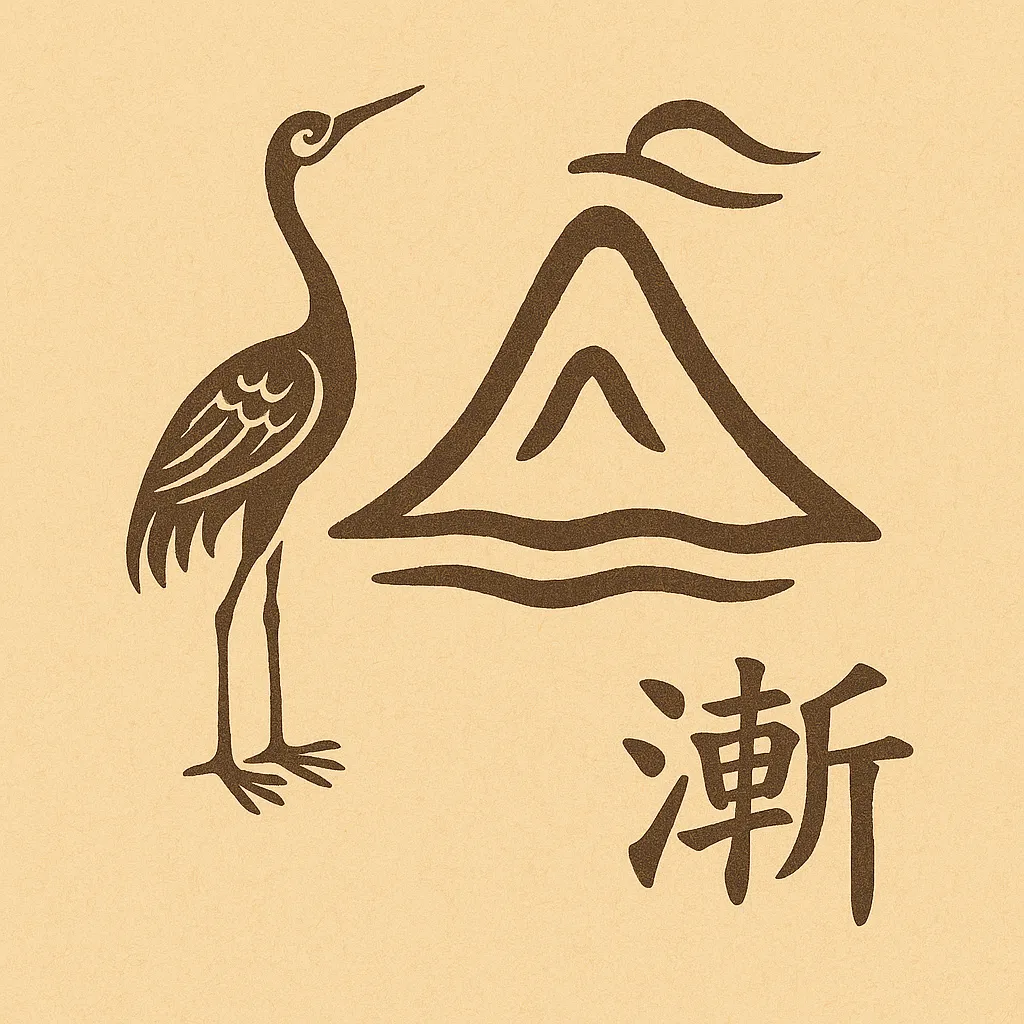
Image: Wood on the mountain: the image of gradual development. The superior man is steadfast and patient in cultivating virtue.
Indicates step-by-step progress, slow maturation, increasing stability.
- Development
- Growth
- Gradual
- Stability
- Maturation
The six lines
Line 1. The goose advances slowly toward the shore. The youth encounters difficulties and criticism, but there is no fault. Accept initial obstacles as part of the path. Patience guards against mistakes.
Line 2. The goose advances to the rock. It feeds and rests in tranquility. Good fortune. Find firm and steady support. Serenity arises from stable foundations.
Line 3. The wild goose arrives at the plain. The husband departs and does not return; the wife conceives but does not give birth. An unfavorable omen. It is advisable to resist invaders. Accept that certain paths do not flourish. Use strength to defend yourself, not to persist in what is barren.
Line 4. The goose lands on the tree. Perhaps it will find a branch on which to rest. Without guilt. Even in an unstable position, it is possible to find support. Use the available resources without forcing.
Line 5. The goose arrives at the hill. The wife does not conceive for three years, but in the end, none surpass her. Good fortune. Perseverance, even in times of barrenness, leads to success. Time ripens the fruits.
Line 6. The goose attains the heights. Its feathers may be used in rites. Good fortune. Upon reaching its peak, life serves as a model and inspiration. The nobility of the spirit becomes a blessing for all.
Related hexagrams
By the structure of its six lines, the tradition reads each hexagram in dialogue with others. These are its classical relatives:
A reading for YOUR situation
3 open consultations free per day — or a custom question.
Start my consultation →