I Ching
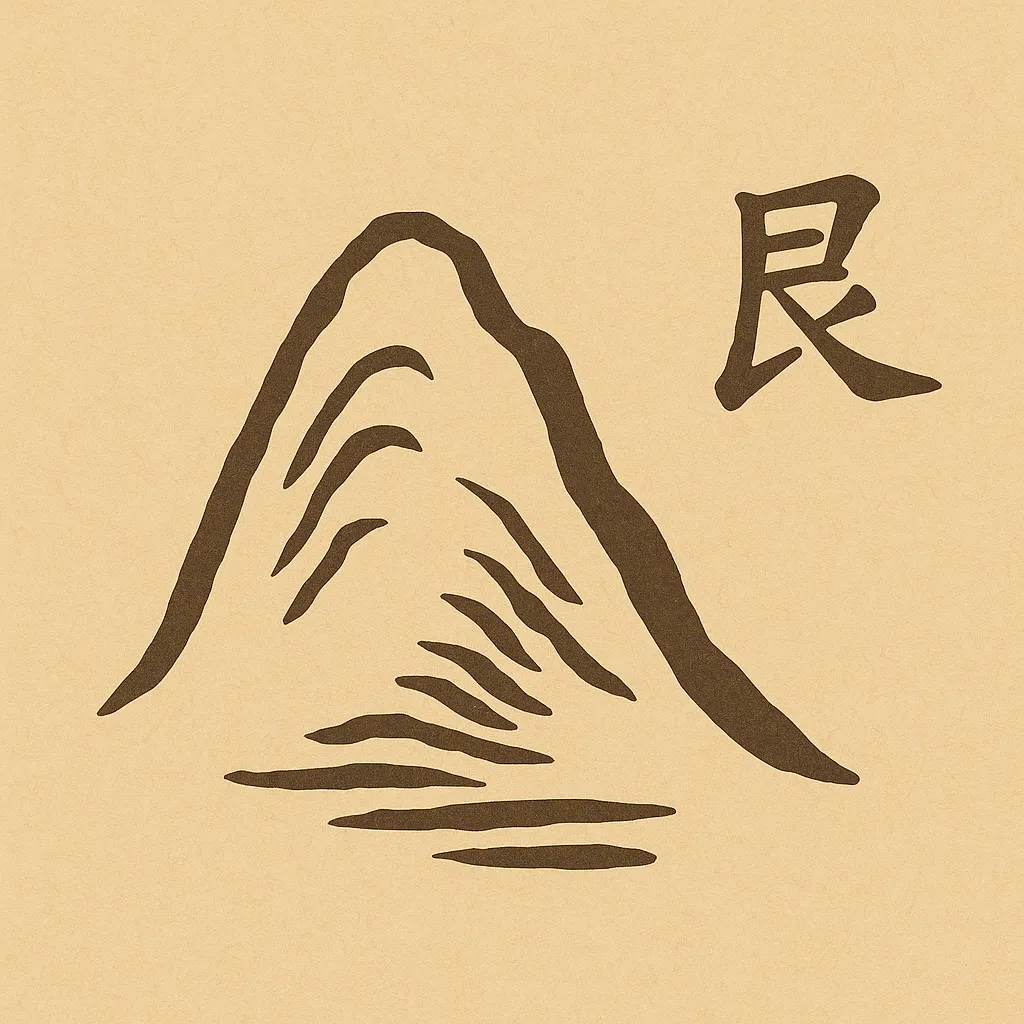
Hexagram 52 — The Immobilization Gen
Published · updated
Classical meaning
Immobilize the back, without perceiving the body. Walk in the courtyard without seeing people. Without guilt.
艮。艮其背。不獲其身。行其庭。不見其人。無咎
Image: Mountain above mountain: the image of stillness. The superior man does not let his thoughts wander out of place.
It expresses intentional immobility, meditation, cessation of movement.
- Quietude
- Inner peace
- Meditation
- Centering
- Mountain
The six lines
Line 1. Immobilize the toes. Without guilt. It is favorable to maintain constant perseverance. Begin by mastering the most basic impulse. Discipline begins in the details.
Line 2. Immobilize the legs. It is not possible to aid those who follow. The heart remains restless. Do not force progress without stability. Calmness must also reach the mind and heart.
Line 3. Immobilize the hips. Divide the back. The heart is threatened by danger. Excessive rigidity leads to suffering. Seek to release, breathe, and let flow.
Line 4. Immobilize the entire body. Without guilt. Find rest in wholeness. Complete balance guards against errors.
Line 5. Restraining the mouth. Words become orderly. Regret disappears. Control your words. Speaking with order and measure eliminates regrets.
Line 6. Great firmness in stillness. Good fortune. Upon attaining complete and solid stillness, one encounters great fortune. Inner calm is the foundation of wisdom.
Related hexagrams
By the structure of its six lines, the tradition reads each hexagram in dialogue with others. These are its classical relatives:
A reading for YOUR situation
3 open consultations free per day — or a custom question.
Start my consultation →