I Ching
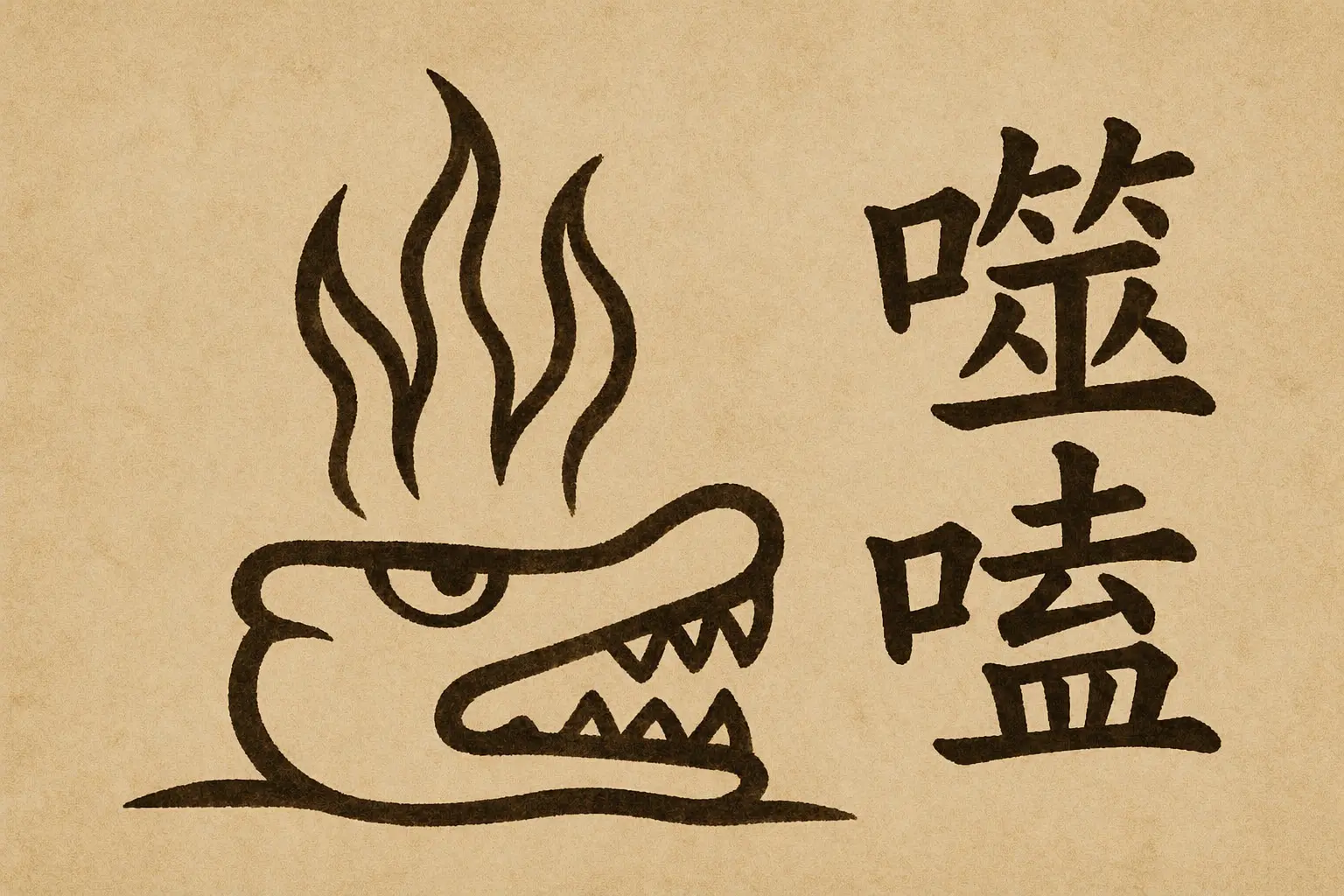
Hexagram 21 — Bite Shi He
Published · updated
Classical meaning
Success. It is favorable to administer justice.
噬嗑。亨。利用獄。
Image: Thunder and lightning: the image of biting. The ancient king established clear laws and punished crimes.
It refers to the necessity of cutting away what hinders order — justice, rectitude, resolution.
- Justice
- Correction
- Resolution
- Clarity
- firm action
The six lines
Line 1. When biting, it grips the toes. Without guilt. Accept minor obstacles at the outset; patience prevents greater faults.
Line 2. When biting the flesh, one cuts the nose. No guilt. Accept minor losses to prevent greater harm. Strictness, when just, does not lead to error.
Line 3. When biting dried meat, one finds poison. Small sorrow, but no guilt. When facing difficulties, be attentive to the hidden. Even poison can teach caution without bringing ruin.
Line 4. When biting dry and tough meat, one finds a golden arrow. Firmness in the face of difficulties is favorable. Good fortune. Endure challenges with steadfastness. Perseverance in the face of hardship yields valuable benefits.
Line 5. When biting dried meat, one finds yellow gold. Firmness brings danger, yet there is no fault. Gain may arise from hardship, but only with prudence. Proceed with caution and you will not be harmed.
Line 6. Closes the ears. Ruin. When rigidity prevents listening, disaster is certain. Avoid absolute intransigence, for it closes the paths.
Related hexagrams
By the structure of its six lines, the tradition reads each hexagram in dialogue with others. These are its classical relatives:
A reading for YOUR situation
3 open consultations free per day — or a custom question.
Start my consultation →