I Ching
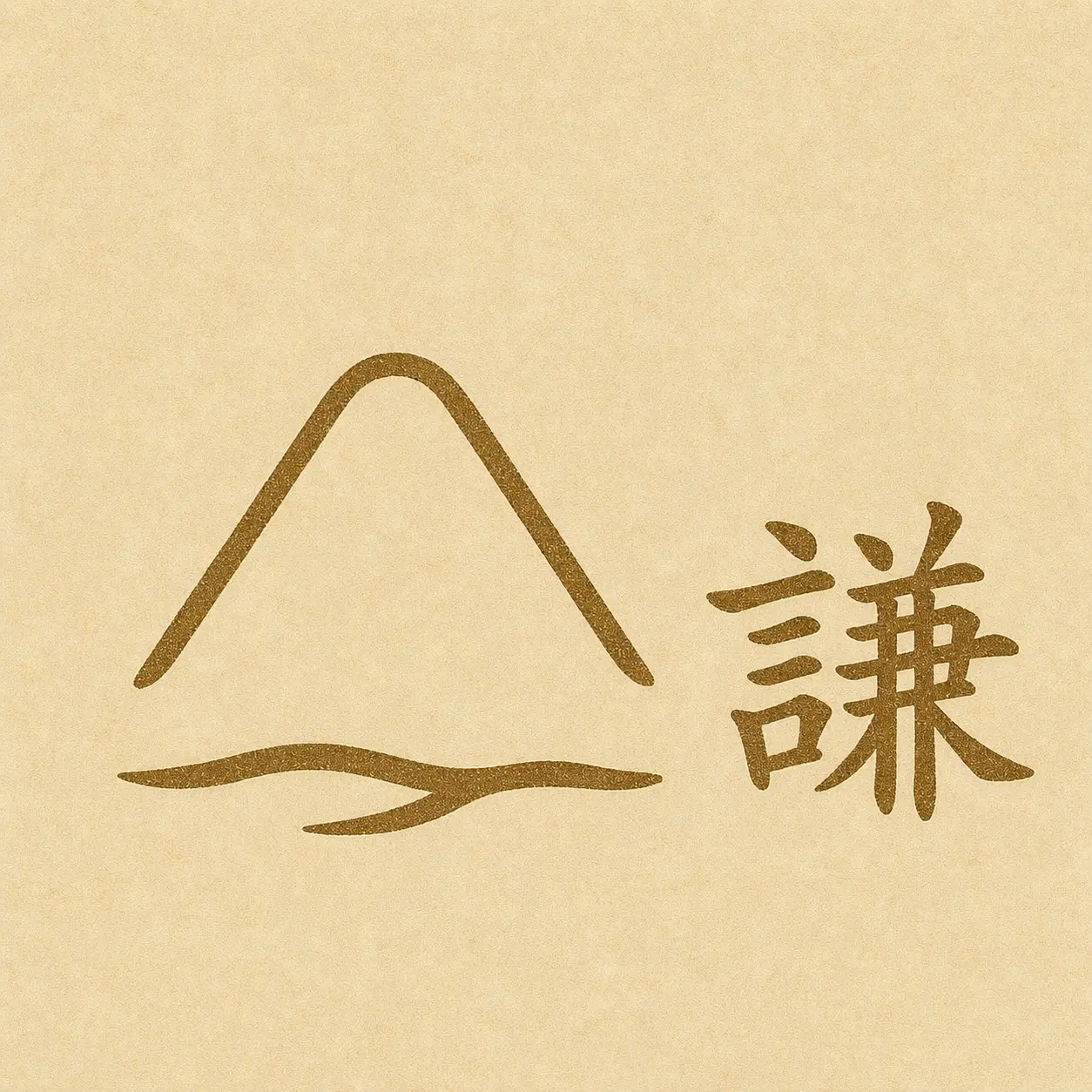
Hexagram 15 — Modesty Qian
Published · updated
Classical meaning
Modesty brings success. The noble one attains the end.
謙。亨。君子有終。
Image: Within the earth there is a mountain: the image of modesty. The noble person diminishes excess and augments what is insufficient, assessing and balancing.
It addresses true humility and the balance between extremes.
- Modesty
- Humility
- Balance
- Simplicity
- Virtue
The six lines
Line 1. The modest nobleman, with humility, crosses the great river. Auspicious. Practice humility from the beginning. Simplicity opens paths even in the face of great obstacles.
Line 2. Modesty is proclaimed in a clear voice. Auspicious firmness. Allow your humility to be visible. Clarity in conduct reinforces your integrity.
Line 3. The noble works with humility. In the end, auspicious. Remain humble even amid arduous work. The outcome will be favorable.
Line 4. Nothing is unfavorable in cultivating modesty. Practice modesty in all aspects of your life. No harm can arise from it.
Line 5. Do not seek wealth; share with neighbors. It is advisable to undertake expeditions. Nothing will be unfavorable. Practice modesty not only in sharing but also in acting against injustices. Use your strength with humility to restore order and protect what is just.
Line 6. Modesty is proclaimed in a clear voice. It is fitting to lead an army, to conquer cities and kingdoms. Use your modesty as a source of authority. Lead with justice, and you will be able to accomplish great deeds.
Related hexagrams
By the structure of its six lines, the tradition reads each hexagram in dialogue with others. These are its classical relatives:
A reading for YOUR situation
3 open consultations free per day — or a custom question.
Start my consultation →